Dental Treatment AbroadBefore you go and after you return.
Many people consider veneers or implants abroad, and many are treated well. This page is for three groups of people: those deciding whether to go, those who have been and have work that now needs attention, and those who would rather travel to us. It covers every procedure.
Your consultation, including a 3D X-ray (CT scan), is free.
Send photos if you have them. Either way, we reply with a cost. No obligation.
Ask about treatment abroad
Reviewed by our treatment coordination team. Call or text (310) 770-3335 if you would rather speak now.
Request received
A treatment coordinator will call you within two hours during office hours (Monday to Friday, 9 to 4).
To talk now, call (310) 770-3335.
- A call within two hours during office hours.
- A written cost from us, before you commit to anything.
- No obligation. Many patients take weeks to decide. That is normal.
- Free consultation and 3D X-ray (CT scan)
- Private practice since 2012
- IV sedation in our own office
- In-house dental laboratory
Where the difference shows.
Anyone can do dentistry when everything goes to plan. The expertise is in managing what does not: an implant that does not integrate, a veneer that chips, a bite that feels wrong, gum that becomes inflamed. Until something goes wrong there is no problem, and that is the moment distance starts to matter. A complication is managed through follow-up visits, often several, and when the dentist is abroad each visit means travel and a border crossing.
Clinics that serve traveling patients are generally organized around volume: a set number of days, a set sequence and many patients passing through. That suits a case that goes to plan. It leaves less room for designing around one face and adjusting the result over several visits, which is where a cosmetic result is decided.
What we offer a patient weighing the choice is continuity, with one dentist from the consultation to the final teeth; accountability, under a California license anyone can look up; proximity, so that a follow-up visit is a drive rather than a flight; and a total cost you can see before you start.
Before, and after.
Every smile on this site was made here: our patients, our laboratory, our work.
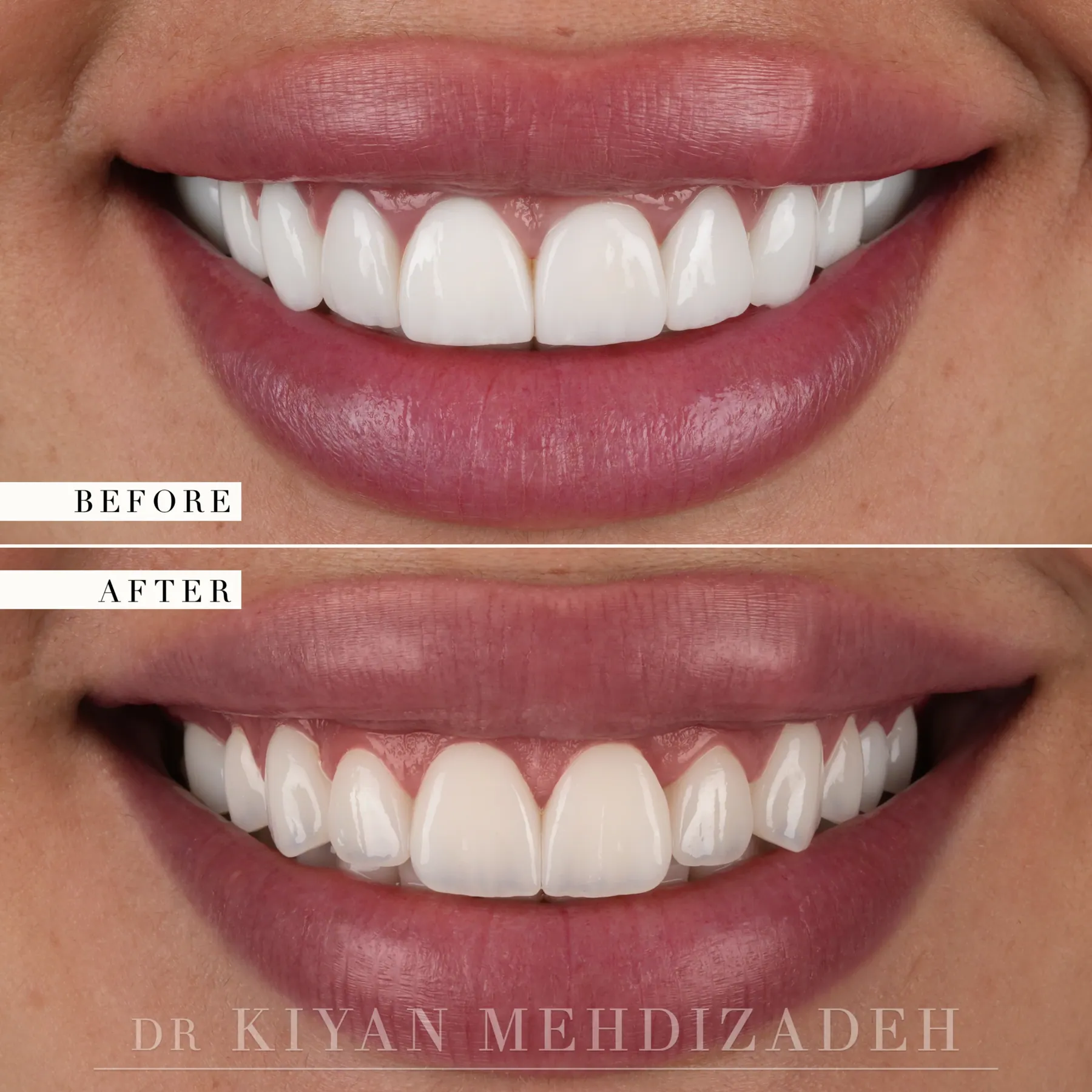 Bulky veneers placed abroad, redesigned with a gum lift and twenty new veneers.See the case →
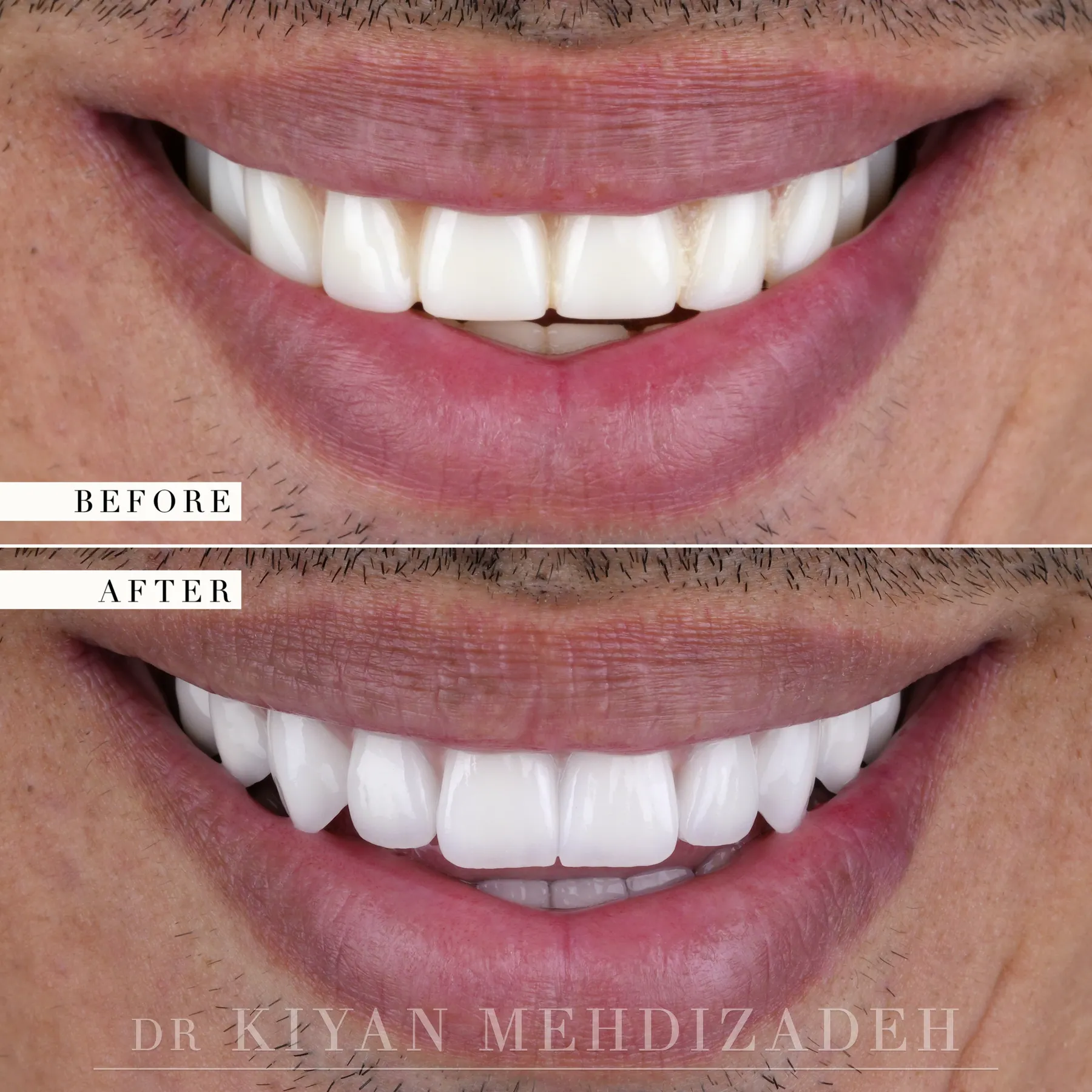 Acrylic teeth on implants placed elsewhere, replaced with hand-stacked porcelain.See the case →
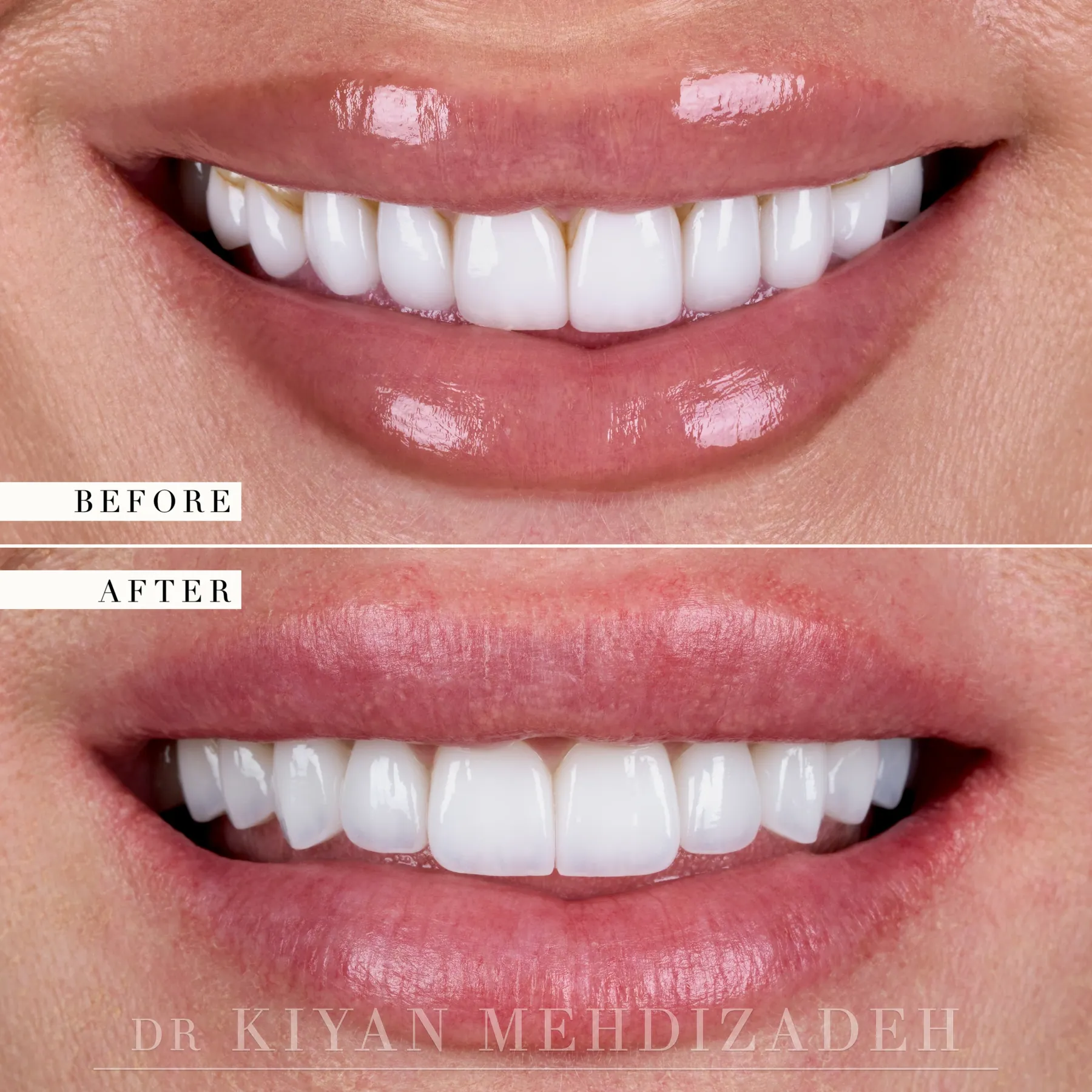 Dark veneer margins and two failed implants, corrected together.See the case →
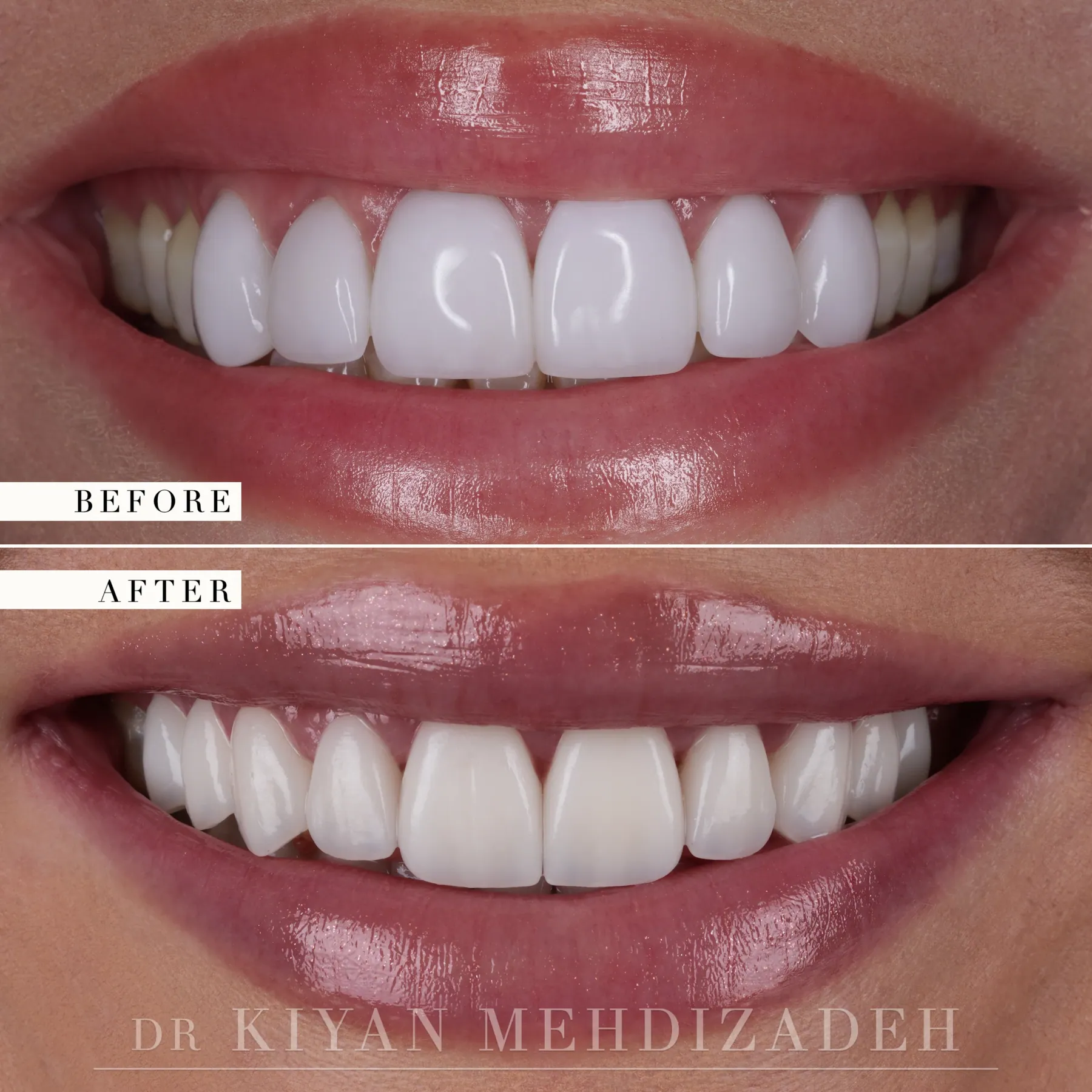 Bulky, opaque veneers from another practice replaced, with the gum line corrected first.See the case →
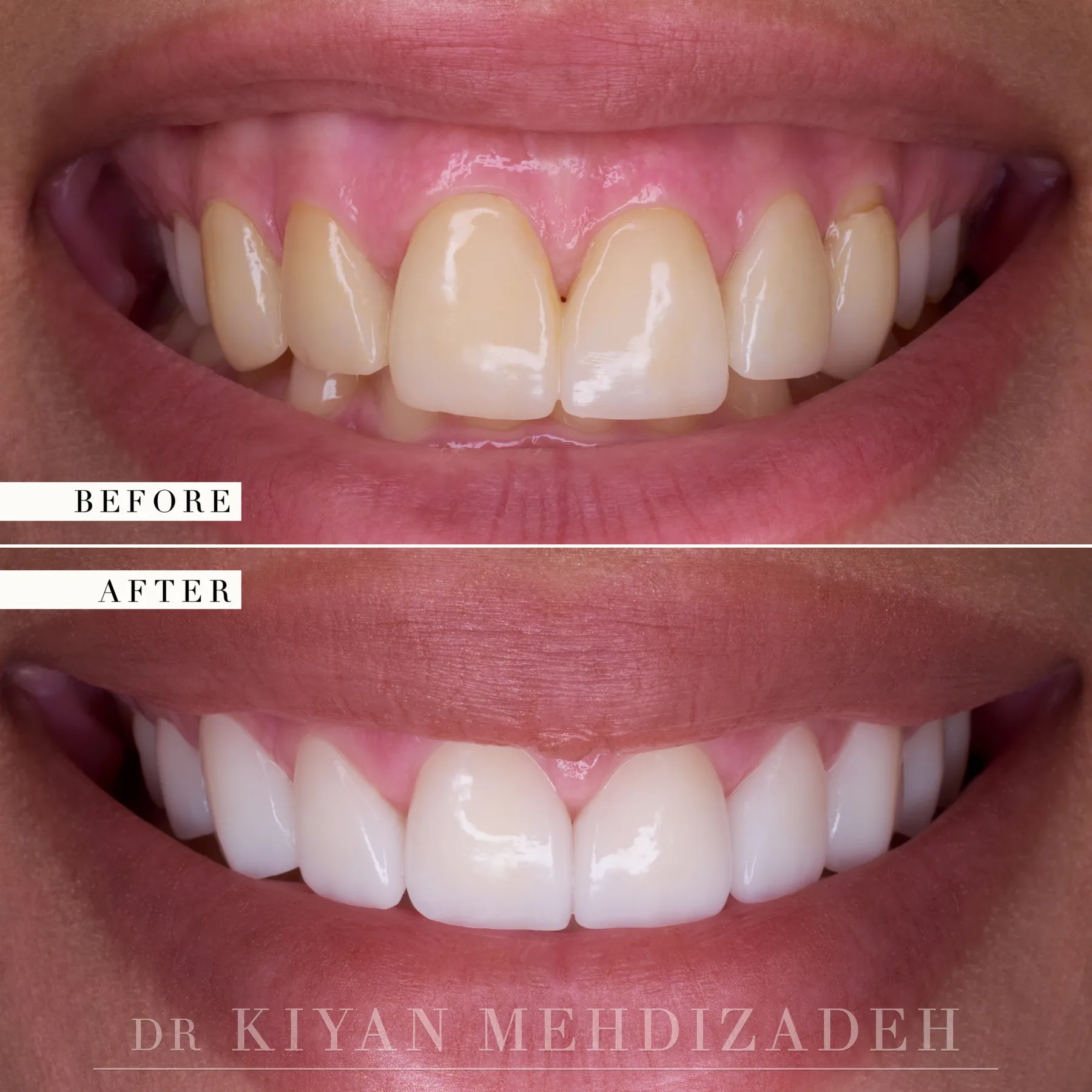 Six overlong veneers on a gummy smile, replaced after the gum line and lip were corrected.See the case →
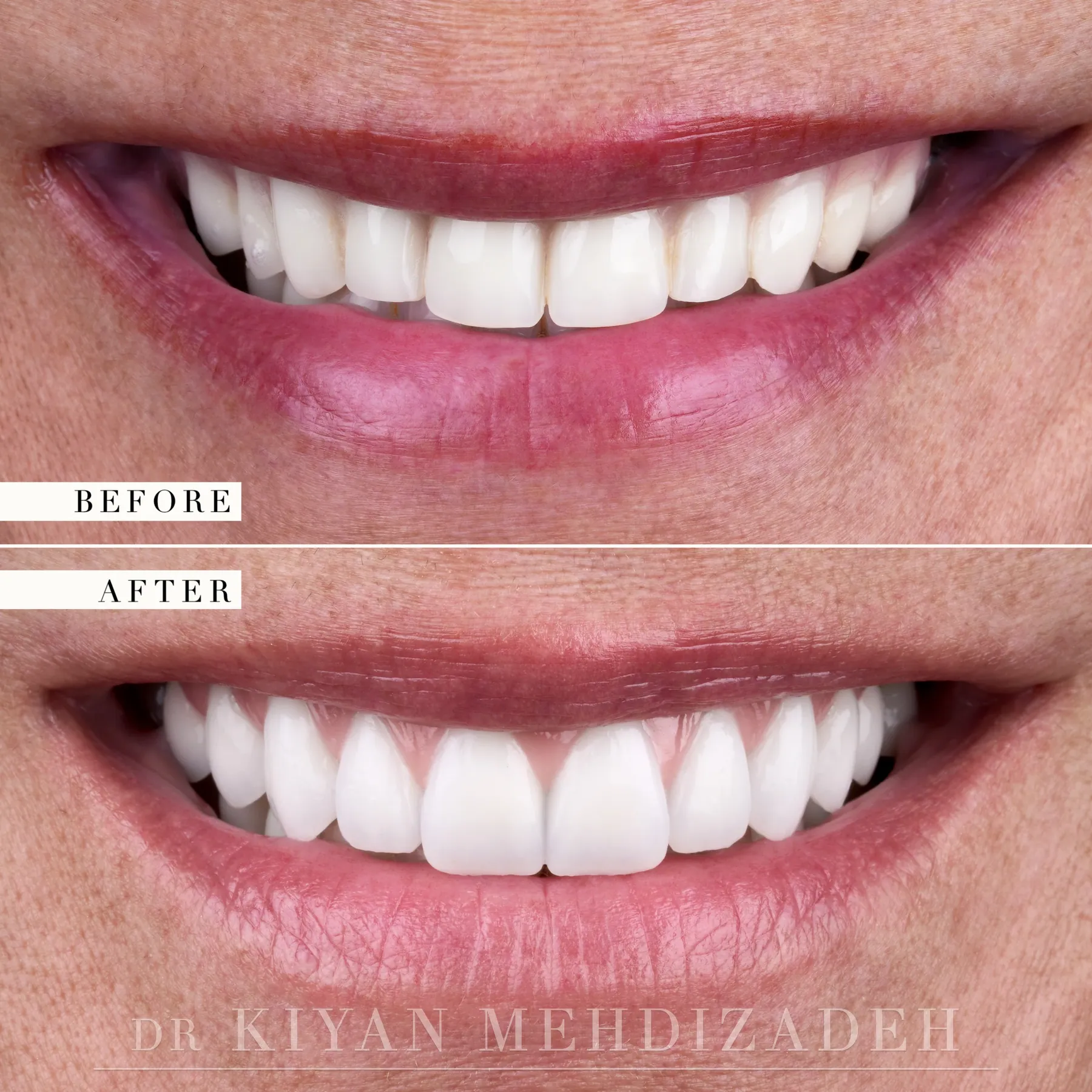 An upper arch rebuilt around the teeth worth keeping.See the case →
What public health guidance says.
The CDC's guidance on medical tourism makes four points that apply to dental treatment. Complications after you return home may need care in the United States. Check the credentials of whoever will treat you. Take copies of all your records. Arrange follow-up care at home before you travel, not after.
The California Dental Association's leaflet on dental tourism warns that the savings may be illusory, once the travel, the follow-up and any correction are counted.
A California dental license is a public record, and anyone can check one on the Dental Board of California's website. Before treatment anywhere, ask how the treating dentist's license and training can be verified.
What to ask before treatment abroad.
Who will treat me? Ask who places the implants, who designs the teeth and who makes them, and whether you will see the same dentist at every visit.
What does the price include? Ask for each item by name: extractions, grafting, sedation, temporary teeth, a try-in of the new design, the final teeth and every follow-up visit. A price that leaves out the temporary teeth or the second trip is not the whole price.
How many trips, and how far apart? Implants need months to integrate with the bone before the final teeth are made, so full-arch treatment usually means at least two trips. Veneers need time for the design to be tried and adjusted.
Will I see and approve the design before the final teeth are made? A try-in, worn for long enough to live with, is how a cosmetic result is tested before it is final.
What happens if something goes wrong after I am home? Ask who sees you if an implant fails or a veneer breaks, where, and who pays for the travel and the treatment.
Will I leave with copies of my records? You should, before you leave the country.
What to bring home.
Whoever looks after your teeth next will need to know exactly what was done, and the CDC advises taking copies of all your records. Bring home the written treatment plan and the receipts; every X-ray, and the CT scan file itself, from before and after treatment; photos of your teeth before treatment; and the name and contact details of the treating dentist.
For each implant, bring the make, the system and the size, where it was placed, and the parts on it (the abutment and the screw). For crowns, a bridge or veneers, bring the material and the shade used.
Implant parts are specific to the implant system, so these records make repair simpler. Without them, a CT scan and an examination usually establish what is needed, though some components can take longer to source.
When work done abroad needs attention.
We assess and correct work wherever it was done, and the first step is the same as for any patient: a consultation with a 3D X-ray (CT scan), which is complimentary. Veneers and implants that have failed, or that work but look wrong, are covered on our page on replacing old veneers or implants.
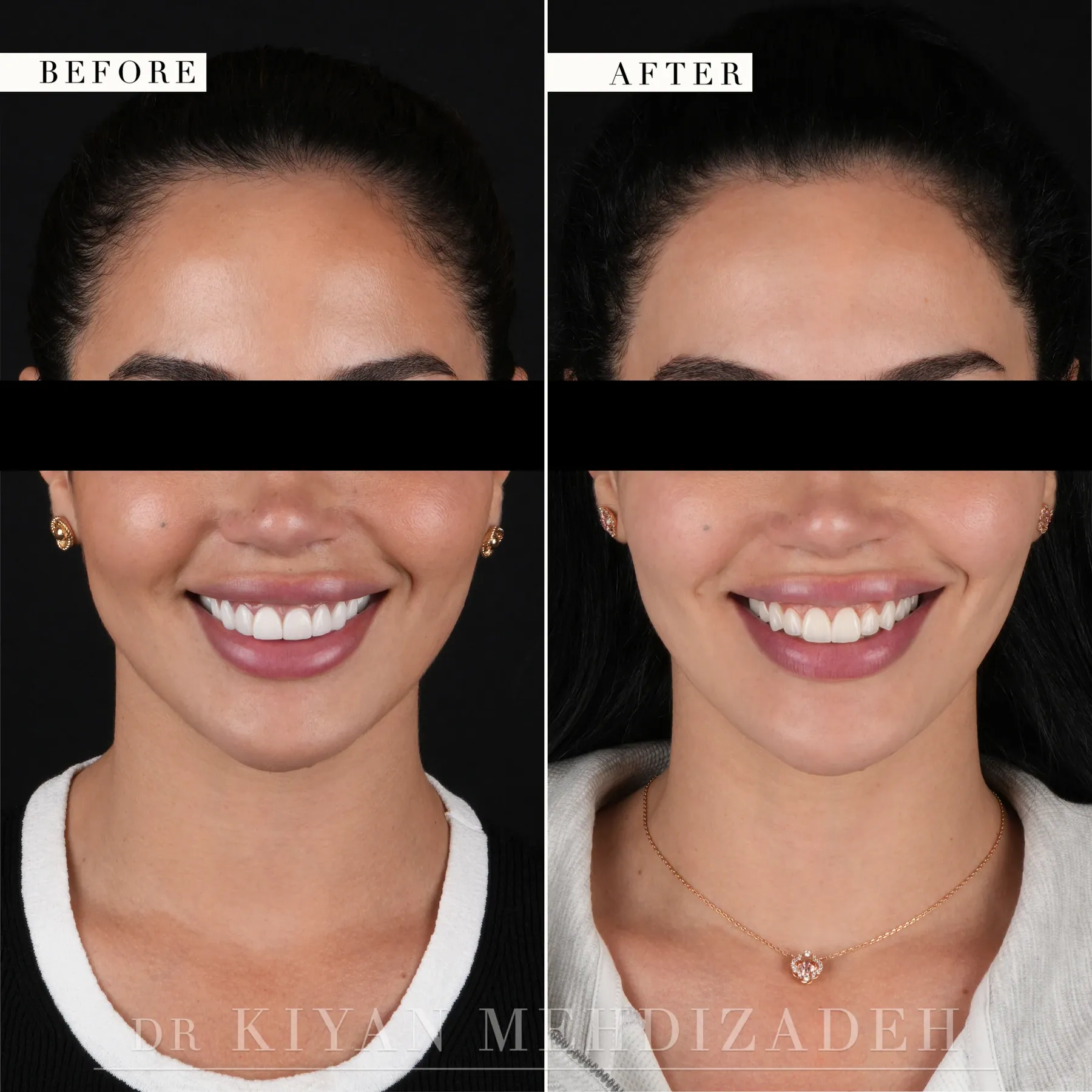
This case shows the veneer side. The patient arrived with veneers placed abroad that were too bulky and looked artificial, with no natural variation in shape, and her gum line sat at uneven heights beneath them. The original veneers had been made without a try-in, so she never saw the design before it was bonded. Here, a gum lift evened the gum line, an implant replaced a missing back tooth, and twenty new porcelain veneers, ten upper and ten lower, were designed from the beginning. She wore provisional veneers that previewed the result and approved them before the final porcelain was made. The case took eight weeks; its total was $54,000.
The total cost.
The price quoted abroad is one line of the total. The rest is flights, hotels, time away from work, often a companion, and the repeat trips that implants require. If something then needs attention, the total also carries the trips back, or the cost of redoing the work at home. That is the arithmetic behind the CDA's warning that the savings may be illusory.
Our prices are published, and each full-arch option is one price that includes the surgery, IV sedation, extractions, temporary teeth, the try-in, the final bridge and the follow-up visits until the final teeth are delivered. Most PPO plans contribute toward the cost of treatment. Financing is available.
Choosing to travel here instead.
Patients travel to Beverly Hills from across the United States and from abroad, and the visits are planned so the time away is as short as the treatment allows. It starts from photos and a video call; a CT scan or panoramic X-ray from near home helps, but is not required to start, and the diagnosis is made in person here. For full-arch implants, the trips usually run like this. For patients who need a visa, a provider letter is offered. Patients traveling from within the United States and from abroad have their own page.
Trip one
Five to seven nights: the examination, any extractions, the implants and the temporary teeth.
Trip two
Three to six months later, two nights: the try-in prototype of the final teeth, adjusted and then worn at home.
Trip three
One to several weeks later, three nights: the final bridge, and bite balancing. Because the laboratory is in the same building, nothing is sent away between trips.
One dentist, from the consultation to the final teeth.
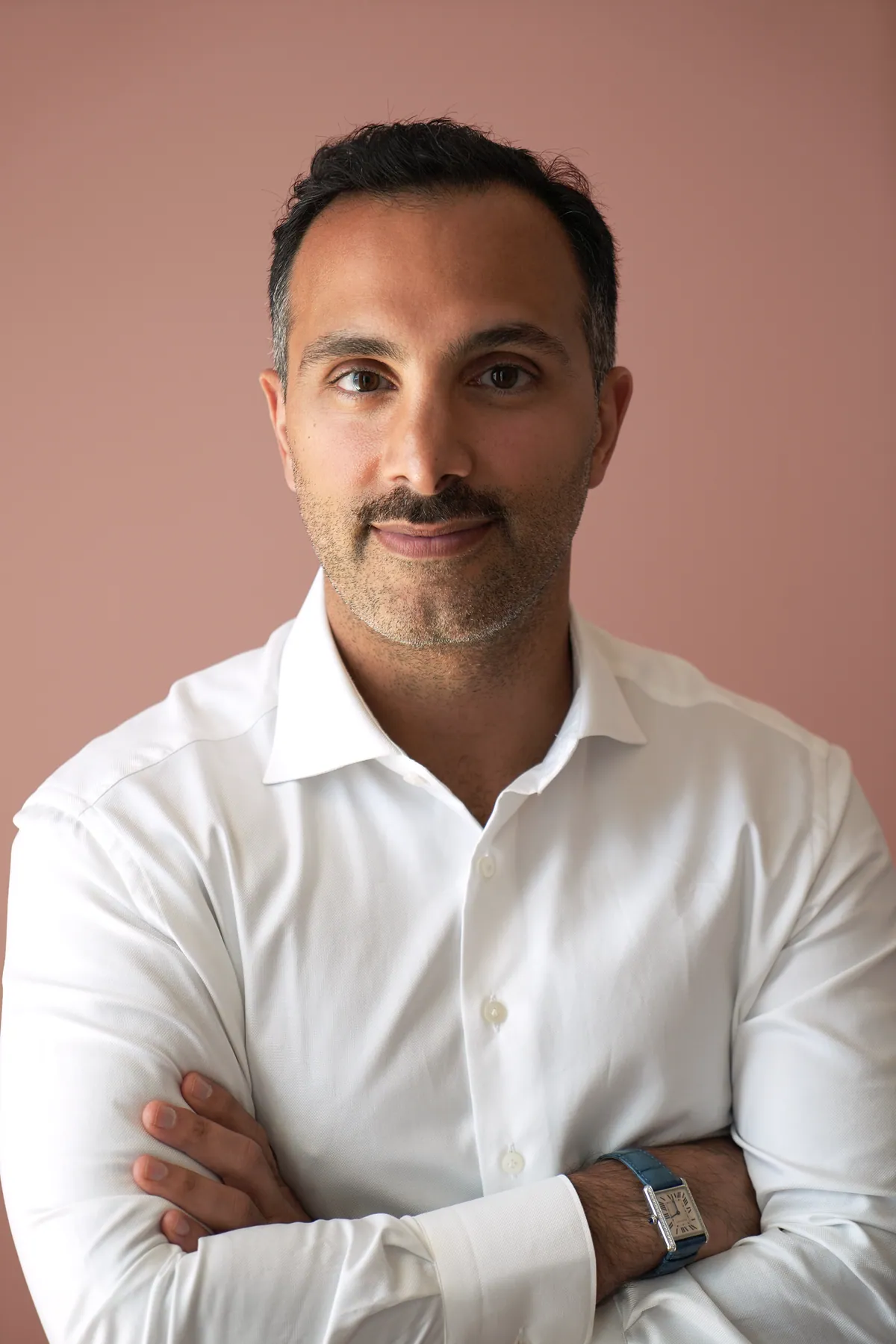
Dr. Mehdizadeh makes the diagnosis, performs any surgery and designs the teeth, and our laboratory in the same building makes them, so every visit is spent in one office.
Find out what treatment here would cost.
Tell us what is going on. Add photos if you have them; if not, we will call and talk it through.
Or call (310) 770-3335.
Ask about treatment abroad
Reviewed by our treatment coordination team. Call or text (310) 770-3335 if you would rather speak now.
Request received
A treatment coordinator will call you within two hours during office hours (Monday to Friday, 9 to 4).
To talk now, call (310) 770-3335.
Frequently Asked Questions
Is dental treatment abroad safe?
Many patients are treated well abroad. The questions that decide how it goes are who treats you, what happens if something needs attention after you are home, and what the whole treatment costs once travel and follow-up are counted. The CDC advises arranging follow-up care at home before you travel.
Will you see me if my dental work was done abroad?
Yes. We assess and correct work wherever it was done. Bring whatever records you have; the consultation, including a 3D X-ray (CT scan), is complimentary.
Can veneers placed abroad be redone?
Yes, and they can be replaced right away. The new design is tried in provisional veneers before the final porcelain is made. In one of the cases on this page, bulky veneers placed abroad were replaced with twenty new veneers after a gum lift, in eight weeks.
What if I do not know which implants I have?
A CT scan and an examination usually establish what is needed. Some components can take longer to source without the original records.
Can I have a letter for a visa?
Yes. A provider letter is offered for patients who need a visa to travel for treatment.
How many trips does treatment here take?
For full-arch implants, three: five to seven nights; three to six months later, two nights for the try-in; then, one to several weeks later, three nights for the final bridge. It starts from photos and a video call.
Does insurance cover correcting work done abroad?
Most PPO plans contribute toward the cost of treatment.
Last Updated: October 2026