Sleep through it and remember none of it
If fear is the reason you have not fixed your teeth, that is a solvable problem. Under IV sedation you stay conscious, you feel nothing, and you leave with no memory of the procedure. Over a thousand cases, monitored throughout.
- Four vitals, monitored continuously. Pulse oximetry, blood pressure, ECG, and capnography.
- A certified sedation provider. Not a visiting anesthetist you will never meet.
- No obligation. Many patients take months to decide. That is normal.
IV sedation runs $500 to $800 per hour, added to the cost of the procedure itself. Most treatments need one to three hours. Emergency equipment and reversal agents are on site.
Ask about sedation
Reviewed by our treatment coordination team. Call or text (310) 770-3335 if you would rather speak now.
Request received
Our treatment coordination team will review what you sent and call you
within one business day.
If you would like to hold a consultation time now, you can do that below.
Comprehensive Safety Protocols
Monitoring Equipment
- Continuous pulse oximetry
- Blood pressure monitoring
- ECG heart monitoring
- Capnography (CO2 monitoring)
- Emergency equipment on-site
- Reversal agents on-site
Safety Standards
- Certified sedation provider
- Trained sedation nursing staff
- Pre-operative health screening
- Customized sedation protocols
- Post-operative monitoring
What to Expect Before, During & After
Preparing for Your Appointment
Preparation for IV sedation is straightforward but important for your safety. You must not eat or drink anything for at least eight hours before your appointment—this includes water, coffee, and gum. An empty stomach prevents the rare but serious risk of aspiration during sedation. If you take daily medications, Dr. Mehdizadeh will provide specific instructions; some medications should be taken with a small sip of water, while others may need to be temporarily adjusted.
You must arrange for a responsible adult to drive you home after your procedure and stay with you for several hours afterward. The sedative effects, while largely worn off by the time you leave our office, can affect your judgment and coordination for the rest of the day. Plan to take it easy—this is a perfect excuse to relax on the couch and let someone else handle dinner. Most patients feel completely normal by the following morning.
Wear comfortable, loose-fitting clothing with sleeves that can be easily rolled up for IV access. Avoid wearing jewelry, contact lenses, or nail polish (we monitor oxygen levels through a fingertip sensor that works best on natural nails). Leave valuables at home. Arrive at your scheduled time ready to relax—our team will handle everything else.
During Your Procedure
When you arrive, our team will escort you to a comfortable treatment room and review your medical history one final time. We'll place monitors to track your heart rate, blood pressure, oxygen levels, and breathing throughout the procedure. A small IV catheter is then placed, typically in your arm or hand—most patients report this feels like a brief pinch and is the only discomfort of the entire experience.
Once the IV is in place, Dr. Mehdizadeh begins administering the sedative medications slowly. Within moments, you'll feel a warm, relaxed sensation wash over you. Patients often describe feeling like they're floating or drifting off to sleep. You may remain vaguely aware of activity around you, or you may feel like you've fallen completely asleep—either experience is normal. Local anesthesia is administered once you're relaxed, ensuring you feel no pain during the actual dental work.
Throughout the procedure, a dedicated team member monitors your vital signs continuously while Dr. Mehdizadeh focuses on your dental treatment. The sedation level is adjusted as needed to maintain your comfort. Because you're so relaxed, Dr. Mehdizadeh can often work more efficiently, completing complex procedures in less time than would be possible with an anxious, uncomfortable patient.
Recovery and Aftercare
As your procedure concludes, the sedation medications are stopped and you'll gradually become more alert. Most patients begin responding normally within 15 to 30 minutes, though you may feel drowsy for several hours. We'll monitor you in our recovery area until you're stable and comfortable, then provide detailed written aftercare instructions before releasing you to your designated driver.
For the remainder of the day, rest at home and avoid any activities requiring alertness or coordination—no driving, operating machinery, making important decisions, or signing legal documents. Some patients experience mild nausea; eating light, bland foods and staying hydrated usually helps. Any grogginess typically resolves completely by the next morning, and you can return to normal activities including work.
You'll receive specific instructions based on the dental procedures performed, which may include guidelines for managing any post-operative discomfort, dietary restrictions, and oral hygiene protocols. Our team follows up to ensure your recovery is progressing smoothly and to answer any questions that arise. Most patients are pleasantly surprised by how comfortable the entire experience was—and how much dental work was accomplished without the stress they'd anticipated.
What Is IV Sedation Dentistry?
IV sedation dentistry, also known as intravenous conscious sedation or "twilight sedation," is a method of administering sedative medications directly into the bloodstream through a small needle placed in your arm or hand. Unlike general anesthesia used in hospitals, IV sedation keeps you in a deeply relaxed, semi-conscious state where you can still breathe on your own and respond to verbal cues—but you won't feel pain or anxiety, and you'll have little to no memory of the procedure afterward.
The medications used in IV sedation work rapidly because they enter your bloodstream directly, allowing Dr. Mehdizadeh to precisely control the depth of sedation throughout your procedure. This is a significant advantage over oral sedation (pills), which can be unpredictable and takes longer to take effect. With IV sedation, the level of relaxation can be adjusted in real-time based on your individual response, ensuring optimal comfort from start to finish.
Most patients describe the experience as falling into a peaceful, dreamlike sleep. Time seems to pass in an instant—a two-hour procedure feels like it lasted only minutes. When you wake up, you'll feel groggy but comfortable, with your dental work already complete. The amnesia effect means that even patients with severe dental phobia can undergo treatment without the psychological trauma that has kept them away from dental care for years.
Who Benefits from IV Sedation?
IV sedation is particularly valuable for patients who have avoided dental care due to fear or anxiety. Dental phobia affects an estimated 36% of the population, with 12% experiencing extreme fear that prevents them from seeking necessary treatment. This avoidance often leads to worsening dental problems, creating a cycle where the eventual treatment becomes more complex and invasive—which only reinforces the fear. IV sedation breaks this cycle by making comprehensive dental care accessible and stress-free.
Beyond anxiety, IV sedation serves patients with strong gag reflexes that make dental procedures physically difficult, those who have trouble getting numb with local anesthesia alone, individuals with sensitive teeth or jaw issues that make keeping their mouth open uncomfortable, and patients who need extensive work completed in fewer appointments. For busy professionals who cannot afford multiple visits, IV sedation allows us to accomplish in one session what might otherwise require three or four separate appointments.
Patients with certain medical conditions, such as high blood pressure or heart conditions, may actually benefit from the controlled, relaxed state that IV sedation provides. Anxiety and stress during dental procedures can cause spikes in blood pressure and heart rate; sedation helps maintain stable vital signs throughout treatment. Of course, Dr. Mehdizadeh carefully reviews each patient's medical history to ensure IV sedation is appropriate for their individual situation.
The Difference Between Sedation Options
Understanding the spectrum of sedation options helps patients make informed decisions about their care. Nitrous oxide, commonly known as laughing gas, provides mild relaxation and wears off within minutes—ideal for minor procedures in patients with mild anxiety. Oral sedation involves taking a prescription sedative pill before your appointment; it provides moderate relaxation but is less predictable and cannot be adjusted once taken. IV sedation offers the deepest level of relaxation available in a dental office setting, with the advantage of precise, real-time control.
General anesthesia, by contrast, renders patients completely unconscious and requires an anesthesiologist, hospital setting, and breathing assistance. While necessary for certain complex surgeries, general anesthesia carries higher risks and longer recovery times. IV sedation achieves comparable comfort for dental procedures without these drawbacks—you remain breathing independently, recover quickly, and can go home the same day with a companion to drive you.
Transform Your Dental Experience
IV sedation makes dental care accessible and comfortable for everyone, regardless of anxiety levels or procedure complexity.
Complete Comfort
Sleep peacefully through your entire procedure with no awareness, pain, or discomfort.
No Memory
Wake up with your treatment complete and no recollection of the procedure itself.
Anxiety Relief
Perfect for patients with dental phobia, gag reflex issues, or general anxiety.
Time Efficiency
Complete multiple procedures in one visit—what feels like minutes is actually hours of treatment.
Controlled Environment
Continuous monitoring of vital signs ensures your complete safety throughout.
Faster Recovery
Relaxed muscles during treatment often mean less soreness and faster healing afterward.
Procedures Available with Sedation
Dental Implants
Single or multiple implant placement without awareness
Wisdom Teeth
All four extractions in one comfortable visit
Gum Surgery
Periodontal procedures and grafting
Full Mouth Restoration
Extensive work completed efficiently
Multiple Fillings
Comprehensive treatment in one visit
Deep Cleanings
Scaling and root planing for anxious patients
Your Sedation Experience
Pre-Treatment Consultation
Review your medical history, discuss anxiety levels, and determine the ideal sedation approach for your needs.
Pre-Operative Instructions
Receive detailed preparation guidelines including fasting requirements and arranging transportation.
Sedation Administration
IV line placed comfortably, medications administered gradually while monitoring your response.
Treatment Completion
Your procedure is performed while you rest comfortably, with continuous vital sign monitoring.
Recovery & Aftercare
Gentle awakening in our recovery area, post-operative instructions, and follow-up care coordination.
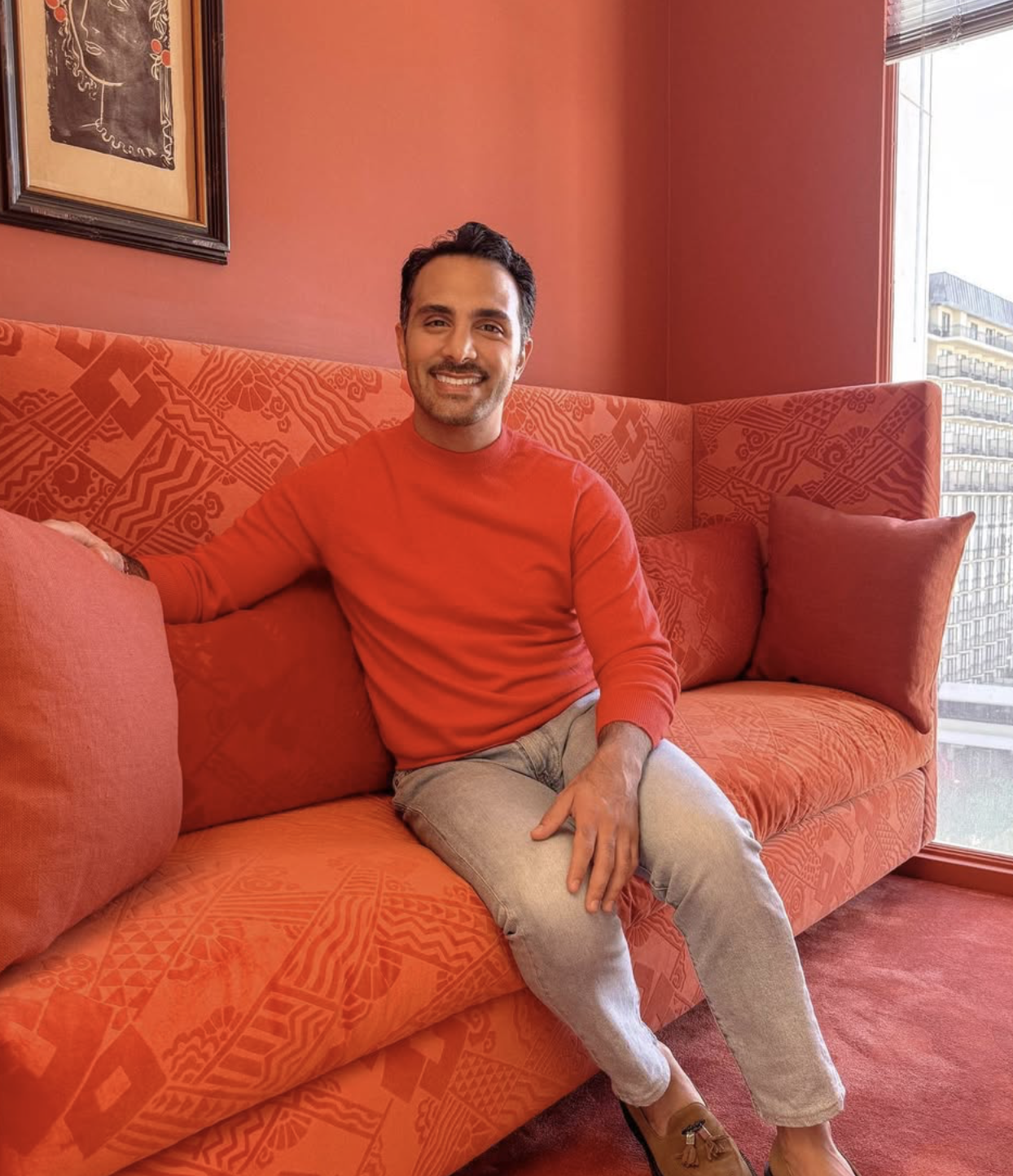
Dr. Kiyan Mehdizadeh, DMD
Doctor of Dental Medicine
Most cosmetic dentists refer out for surgery. Most surgeons don't do cosmetic work. Dr. Mehdizadeh trained in both — implantology and bone grafting at Loma Linda and UCLA, fixed prosthodontics under Mauro Fradeani in Italy, periodontal microsurgery with Hürzeler and Zuhr in Munich, and IV sedation at the University of Alabama. That combination means complex cases involving surgery, grafting, implants, and restorative work are planned and executed by a single provider with full command of every phase.
Technical skill produces function. Taste is what produces beauty. The difference between dental work that looks like dental work and a result that looks entirely natural comes down to aesthetic judgment — proportion, texture, translucency, how light moves across a surface. That sensibility runs through everything here, from the way cases are designed to the office itself.
An in-house master ceramist and on-site laboratory allow restorations to be designed, fabricated, and refined with direct collaboration between doctor and technician — no outsourced lab work, no guesswork, no compromise on the final product. Dr. Mehdizadeh is one of few dentists with the refined ability to provide care across multiple specialties, resulting in cohesive and holistic outcomes.
Education & Credentials
- Doctor of Dental Medicine (DMD), cum laude — Boston University
- Bachelor of Science in Biology — Emory University
- Mastership in Implant Dentistry & Grafting — Loma Linda University / gIDE Institute
- Advanced Implant Therapy & Grafting — UCLA / gIDE Institute
- Implant Placement & Restoration — UCLA / Nobel Biocare
- Guided Bone Regeneration & Ridge Augmentation — gIDE Institute
- Sinus Elevation & Augmentation — gIDE Institute
- Soft Tissue Management & Grafting — gIDE Institute
- Minimally Invasive Augmentation & Autogenous Bone Management — IDEA, San Francisco
- Master Program in Fixed Prosthodontics — Fradeani Education, Italy
- Aesthetic Dentistry — UCLA School of Dentistry
- Advanced Occlusion & Bite Design — UCLA
- Periodontal Micro-Surgery — Hürzeler/Zuhr, Munich
- Micro-Endodontic Training — University of Pennsylvania
- IV Sedation — University of Alabama at Birmingham
- Injectable Therapy for TMJ & Facial Pain — American Academy of Facial Esthetics
What Patients Say
Read verified patient reviews of Dr. Kiyan Mehdizadeh across cosmetic, implant, and restorative care.
Read Patient Reviews →Frequently Asked Questions
Is IV sedation safe?
Yes, IV sedation is very safe when administered by a certified provider like Dr. Mehdizadeh. We continuously monitor your vital signs and have emergency protocols in place. Our strong safety record speaks to our commitment to patient wellbeing.
Will I be completely unconscious?
With IV sedation, you'll be in a deep state of relaxation but not completely unconscious like with general anesthesia. You may respond to verbal cues but won't remember the procedure. The level can be adjusted to your comfort.
How long does recovery take?
Most patients feel normal within a few hours after IV sedation. You'll need someone to drive you home and should rest for the remainder of the day. By the next day, you can typically resume normal activities.
Can I eat before sedation?
No, you must fast (no food or drinks) for at least 8 hours before IV sedation. This is for your safety. We'll provide detailed pre-operative instructions during your consultation.
Who is a good candidate for IV sedation?
IV sedation is ideal for patients with dental anxiety, strong gag reflexes, difficulty getting numb, or those needing extensive procedures. During your consultation, we'll review your health history to ensure you're a good candidate.
Will I feel any pain during the procedure?
No. IV sedation is combined with local anesthesia, so you won't feel pain during treatment. Most patients have no memory of the procedure at all.
What medications are used for IV sedation?
We use a benzodiazepine for relaxation and amnesia, combined with an opioid for pain control. Both are fast-acting with short duration. Reversal agents for each medication are always on-site for safety.
Begin Your Transformation
Tell Dr. Kiyan Mehdizadeh what you have been putting off. You will hear back within one business day, with a real estimate and no obligation.