Bone Grafting and Sinus Lifts for Dental Implants
An implant needs bone on every side to hold it. Being told there is not enough bone usually means the bone has to be rebuilt, before the implant or at the same appointment.
Bone graft or sinus lift, for a single implant: $3,000
$36/month 144 payments at 9.99% APR, on approved credit.
Your consultation, including a 3D X-ray (CT scan), is free.
Send photos if you have them. Either way, we reply with a cost. No obligation.
Ask about bone grafting
Reviewed by our treatment coordination team. Call or text (310) 770-3335 if you would rather speak now.
Request received
A treatment coordinator will call you within two hours during office hours (Monday to Friday, 9 to 4).
To talk now, call (310) 770-3335.
- A call within two hours during office hours.
- A written cost from us, before you commit to anything.
- No obligation. Many patients take weeks to decide. That is normal.
- Free consultation and 3D X-ray (CT scan)
- Private practice since 2012
- IV sedation in our own office
- In-house dental laboratory
Before, and after.
Every smile on this site was made here: our patients, our laboratory, our work.
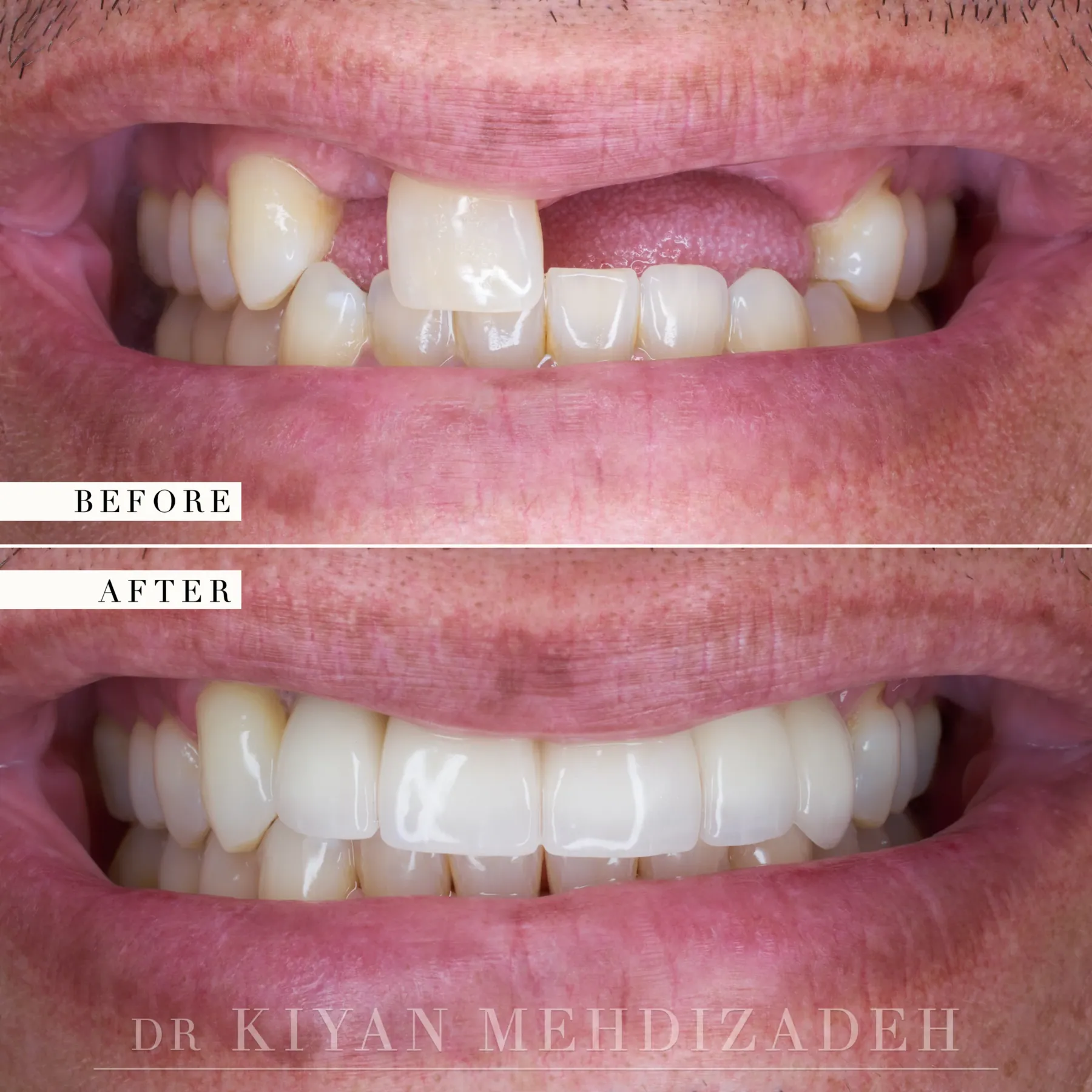
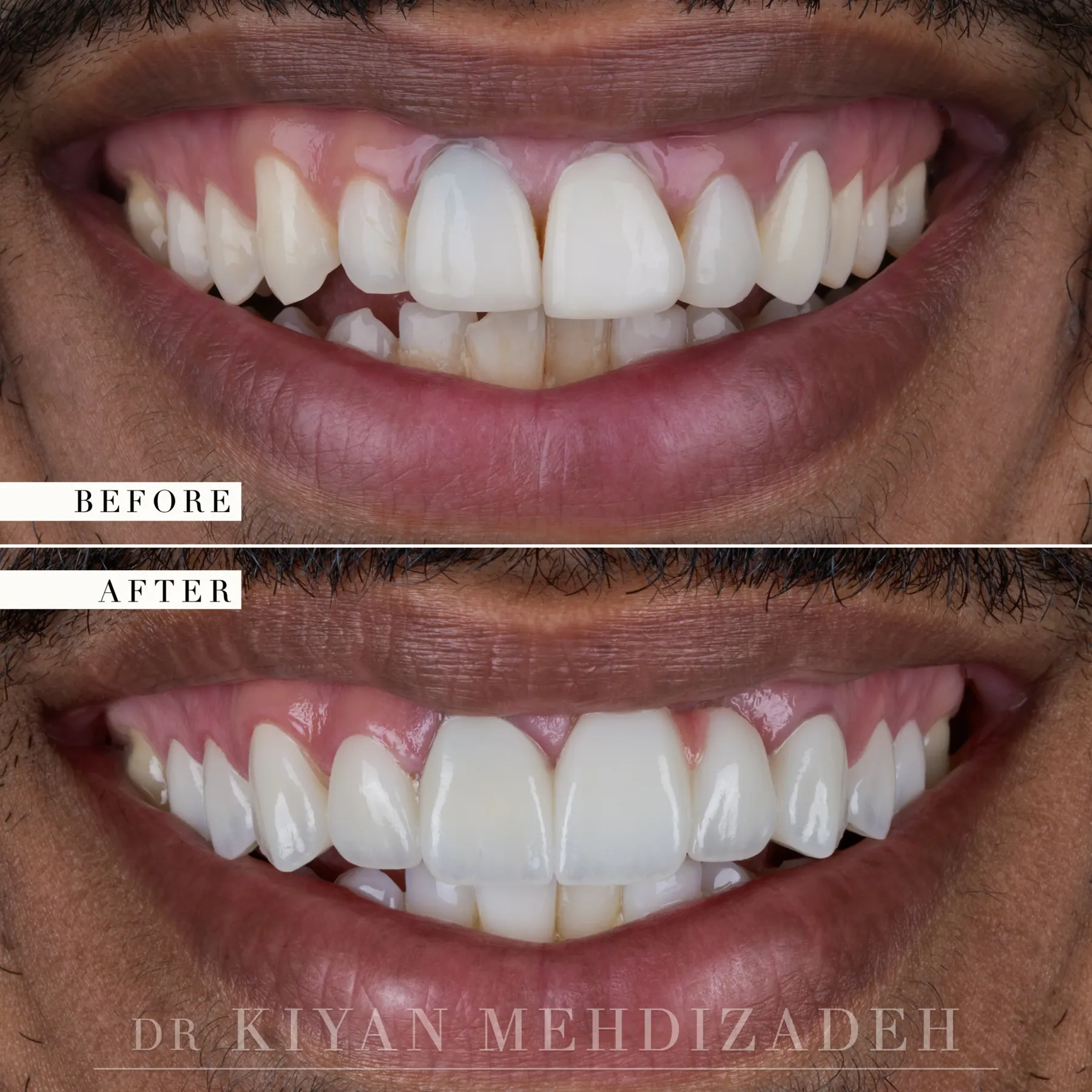
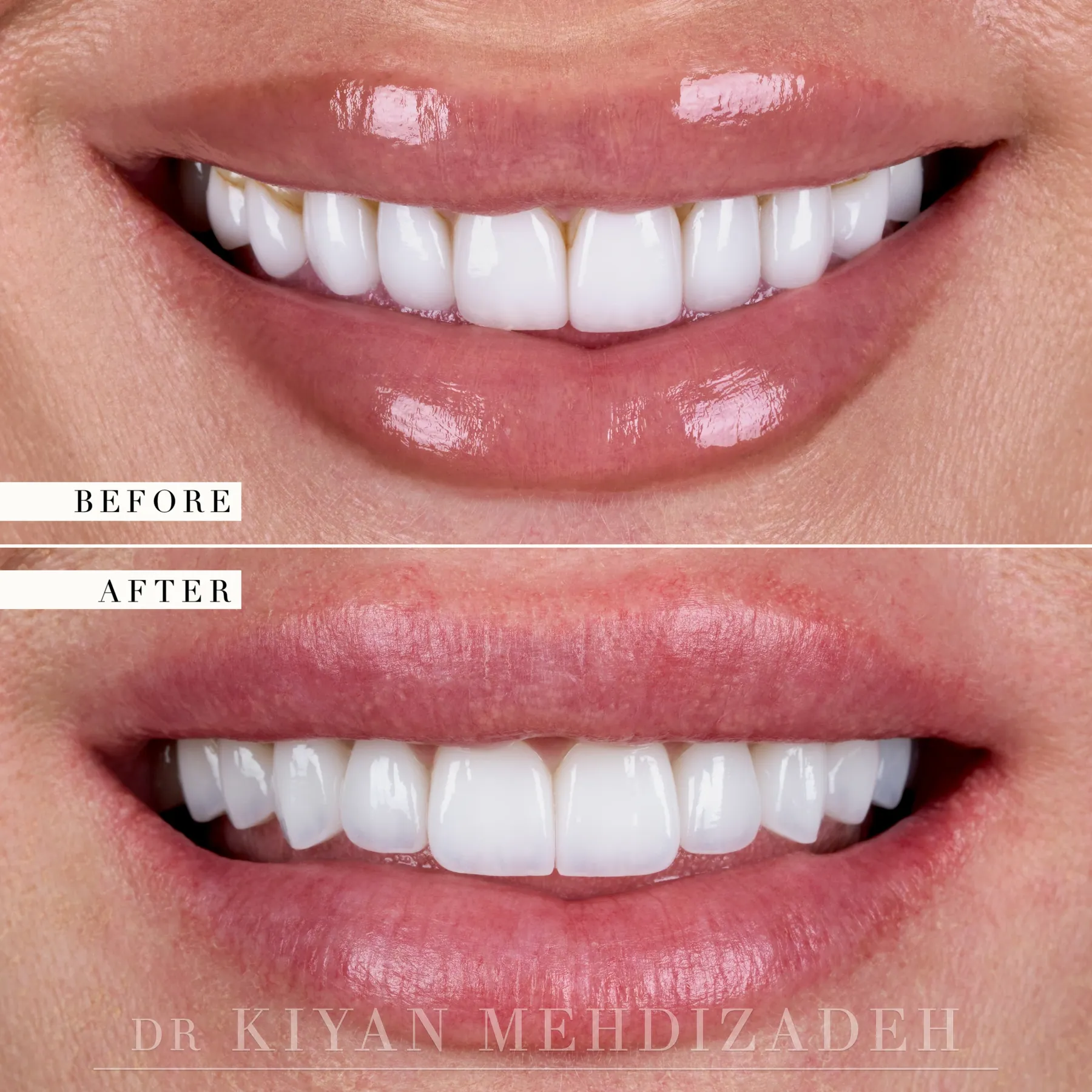
Why bone shrinks after a tooth is lost.
This page explains why bone shrinks, what a graft does, how a sinus lift adds height in the upper back jaw, how long healing takes and how we price grafting.
The bone that holds a tooth is kept in shape by the chewing force the tooth carries into it. Once the tooth is gone, nothing loads that bone and the ridge begins to shrink, quickest in the first year and more slowly for years afterwards. A 2003 study of single extractions found the ridge lost about half its width within twelve months, two-thirds of that in the first three.
Gum disease, infection and failed implants take bone faster: infection after failed root canals destroyed it in this case, and in another two implants failed as the bone around them was lost. At the front of the upper jaw the bone over each root is often thinner than one millimeter, and it shrinks quickly once the tooth comes out.
The 3D X-ray (CT scan) at the consultation measures the bone at each site, so we know before surgery whether a graft is needed.
What a bone graft does.
A bone graft gives the body a framework to grow new bone into. Over the following months the body's own bone grows through the graft and replaces it, and the rebuilt ridge can then hold an implant. Three approaches cover most cases.
Socket grafting at the extraction. When a tooth comes out and the implant cannot go in the same day, Dr. Mehdizadeh fills the socket with graft material to limit the shrinkage that would otherwise follow. The implant goes into the healed site later.
Guided bone regeneration and ridge augmentation. Where a ridge has already narrowed or lost height, he places graft material against it and covers it with a thin membrane. The membrane keeps the faster-growing gum tissue out of the space while bone forms beneath it. Where the implant can be held firmly on the day, the graft often goes in around it at the same appointment; where the ridge is too thin for that, the graft heals first.
Autogenous bone. This is the patient's own bone, which Dr. Mehdizadeh can gather near the surgical site during the same operation. It brings living cells into the graft, alone or mixed with graft material.
In this case, four upper front teeth had been missing long enough for the ridge beneath them to shrink. Dr. Mehdizadeh rebuilt it with a graft, left it to consolidate and then placed three implants into the new bone, which now carries load again.
When the gum has gone with the bone.
At the front of the mouth, lost bone usually takes gum with it, because the gum follows the bone beneath it. Grafting rebuilds that support, though where the loss is large, exactly where a grafted gum line will settle is harder to predict.
Pink porcelain is the other way to replace that lost height: a gum-colored ceramic built onto a bridge, matched to the patient's gum, that stands in for the gum and bone that are gone. It is needed when the gum line has receded so far that teeth alone would have to be made too long to reach it, and long teeth with no gum between them look artificial. The alternative is to rebuild the tissue itself with grafting, where the site will support it.
In this case, infection after two failed root canals had destroyed bone and gum around two upper front teeth. After the extractions, grafting and healing, Dr. Mehdizadeh assessed the ridge: it would not reliably support implants in that position. A four-unit zirconia bridge with pink porcelain replaced both the teeth and the gum line.
The sinus lift.
The upper back jaw is often short of height. The maxillary sinus, an air space in the upper jaw behind the cheek, sits just above the roots of the upper premolars and molars. After those teeth are lost, the ridge shrinks from below and the sinus tends to expand downward, and the bone between them can thin to a few millimeters. A sinus lift raises the thin membrane that lines the floor of the sinus and places graft beneath it, adding bone height where the implant needs it.
The crestal approach works through the implant site itself, from below. Dr. Mehdizadeh gently lifts the sinus floor and its membrane a few millimeters, places graft into the space, and usually places the implant in the same step. It suits sites that need a modest gain in height.
Dr. Mehdizadeh uses the lateral approach where more height is needed. He opens a small window in the side wall of the jaw, under the gum on the cheek side, lifts the membrane and fills the space beneath it with graft. Where the remaining bone can hold the implant firmly, it goes in at the same appointment; where it cannot, it follows once the graft has healed.
Both are long-established. Boyne and James published the lateral approach in 1980, and Summers described the crestal approach in 1994. Dr. Mehdizadeh completed Sinus Elevation & Augmentation at the gIDE Institute.
Healing time.
Healing takes months, not weeks: a few months for a socket graft, and around three to six for a larger ridge or sinus graft. In this case, the grafts and the implants placed into them took three of the five months the case ran; another ran seven months because the graft had to consolidate first. Nothing shortens that interval, and an implant placed into an unconsolidated graft risks losing both.
Sedation and who performs it.
Dr. Mehdizadeh performs grafting and sinus lifts under local anesthesia or IV sedation. He gives IV sedation in this office; he trained in it at the University of Alabama at Birmingham and holds a California sedation permit; you go home the same day, with someone to drive you. In this case he removed two failed implants, grafted both sites and placed new implants under IV sedation.
See also: IV sedation.
His training in this area:
His training includes Mastership in Implant Dentistry & Grafting, Loma Linda University / gIDE Institute; Guided Bone Regeneration & Ridge Augmentation, gIDE Institute; Sinus Elevation & Augmentation, gIDE Institute; Minimally Invasive Augmentation & Autogenous Bone Management, IDEA, San Francisco.
What grafting costs.
Each case is quoted as a whole. For a full arch, the Complex Reconstruction option includes the removal of failed implants, grafting and sinus work.
Graft or sinus lift, for a single implant
$36/month
$3,000
144 payments at 9.99% APR, on approved credit.
A socket graft, ridge augmentation or a sinus lift.
Full arch, Complex Reconstruction
$407/month
$34,000 per arch
$58,000 both arches
144 payments at 9.99% APR, on approved credit.
Within a larger plan, grafting and sinus work are part of the case total: this case's total covered the bone graft with the implants and the bridge, and another's the grafting of both implant sites. Each case page states its total.
IV sedation, if you choose it, is a flat fee of $1,500 - $1,800, added to the procedure; it is included in every full-arch option. The consultation, including a 3D X-ray (CT scan), is complimentary. Most PPO plans contribute toward the cost of treatment. Financing is available.
One doctor, from consultation to final teeth.
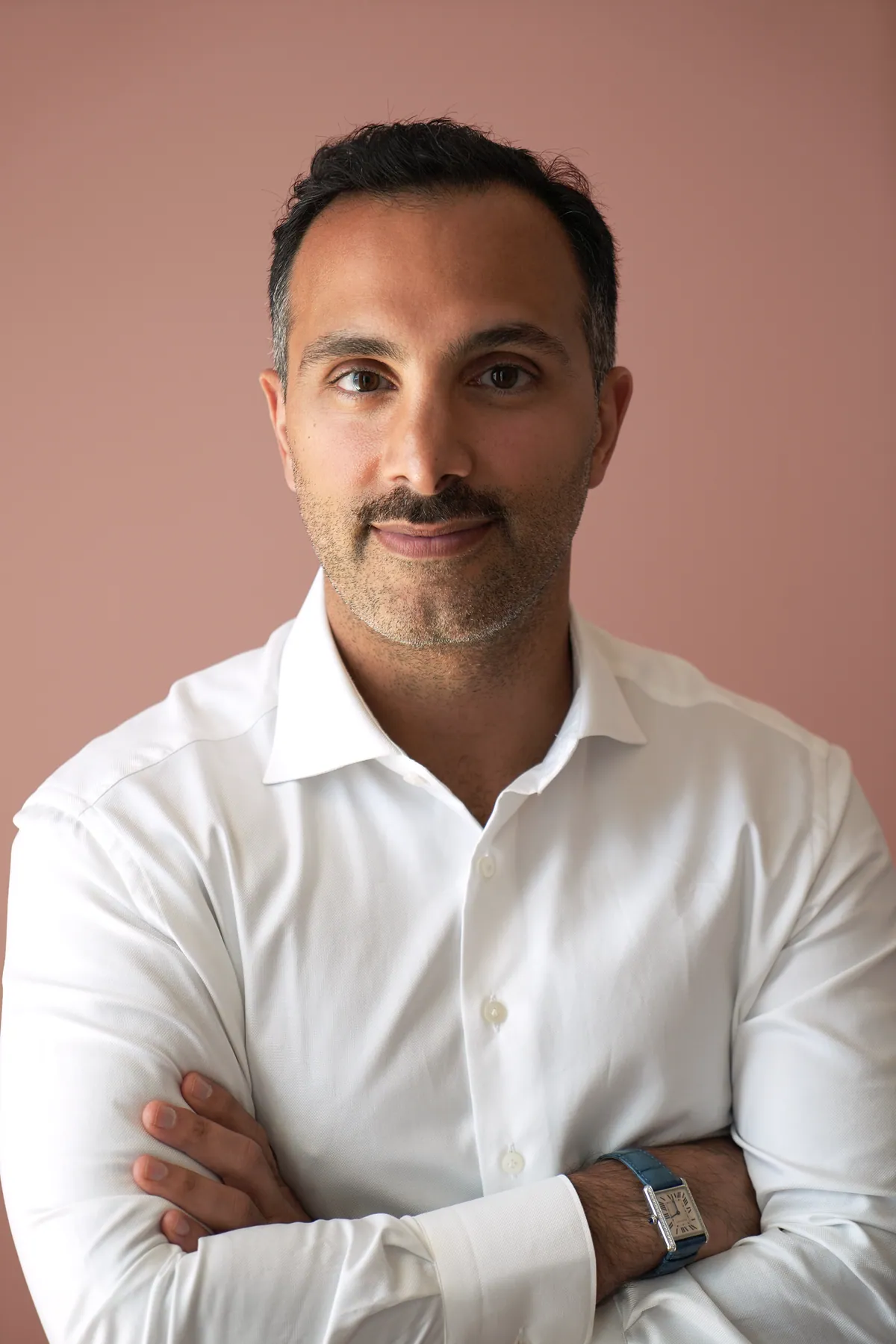
Dr. Mehdizadeh performs the grafting and the sinus lifts himself, in this office, as part of the same plan as the implants.
Find out what your new smile would cost.
Tell us what is going on. Add photos if you have them; if not, we will call and talk it through.
Or call (310) 770-3335.
Ask about bone grafting
Reviewed by our treatment coordination team. Call or text (310) 770-3335 if you would rather speak now.
Request received
A treatment coordinator will call you within two hours during office hours (Monday to Friday, 9 to 4).
To talk now, call (310) 770-3335.
Frequently Asked Questions
I was told I do not have enough bone. Can I still have implants?
Yes. Bone can be rebuilt with grafting, and the upper back jaw with a sinus lift, often in the same appointment as the implant.
What is a bone graft made of?
Either the patient's own bone (autogenous bone), gathered near the surgical site during the same operation, or graft material, or the two mixed. The body grows its own bone through the graft and replaces it over the following months.
What is the difference between a crestal and a lateral sinus lift?
Both raise the floor of the sinus and place graft beneath it to add bone height. A crestal lift works from below, through the implant site, and suits a modest gain in height. A lateral lift works through a small window in the side of the jaw and suits a larger gain. Dr. Mehdizadeh performs both here.
How long does a bone graft take to heal?
Months rather than weeks: a few months for a socket graft, and around three to six months for a larger ridge or sinus graft.
Does bone grafting hurt?
Dr. Mehdizadeh grafts under local anesthesia or IV sedation, and most sedated patients remember very little of it. Swelling builds for about two days and settles over the following week.
Can a failed implant site be used again?
Yes, but not immediately. Dr. Mehdizadeh removes the implant and grafts the bone that has gone, and once the graft heals a new implant can go into the rebuilt site, as in one of the cases on this page.
How much does a bone graft or sinus lift cost?
For a single implant, a graft or a sinus lift is $3,000. $36/month: 144 payments at 9.99% APR, on approved credit. For a full arch, the Complex Reconstruction option, $34,000 per arch, includes them. $407/month per arch: 144 payments at 9.99% APR, on approved credit.
Last Updated: October 2026