All-on-4 Dental Implants: A Fresh Start After Gum Disease
Implant-supported bridge with pink porcelain to restore complete harmony
By Dr. Kiyan Mehdizadeh, DMD · 9460 Wilshire Blvd, Suite 850, Beverly Hills, CA 90212 · (310) 770-3335

Last Updated: August 2026
Losing teeth to gum disease?
Once the bone is going, crowns and bridges are patchwork on a failing foundation. At some point the honest answer is to start again. Send us a photo and we will tell you where you actually are, and what it would cost to fix it properly.
- A response within one business day. Usually much sooner.
- A real cost estimate, not a range designed to get you in the door.
- No obligation. Many patients take months to decide. That is normal.
Ask about your case
Reviewed by our treatment coordination team. Call or text (310) 770-3335 if you would rather speak now.
Request received
Our treatment coordination team will review what you sent and call you
within one business day.
If you would like to hold a consultation time now, you can do that below.
Treatment Plan by Dr. Kiyan Mehdizadeh
- Extraction of gum disease-affected teeth with poor long-term prognosis
- Placement of 4 dental implants using All-on-4 protocol under IV sedation
- Custom implant-supported bridge with pink porcelain gum reconstruction
- Color matching to blend seamlessly with natural posterior teeth
- Follow-up adjustments and occlusal calibration over 20 weeks
When Patchwork Dentistry Fails: Why Dental Implants Were the Right Choice
Sometimes the kindest thing a dentist can do is recognize when conventional treatments will only prolong inevitable failure. This patient presented with significant gum problems caused by advanced periodontal disease. Her previous dentist had attempted to salvage the situation with a 6-unit bridge. Unfortunately, this approach made things worse: the result was an uneven gum line, long asymmetrical teeth, and a bridge that was aesthetically compromised. She had lost all confidence in her smile.
The fundamental problem was not the bridge itself. The teeth supporting it had a poor long-term prognosis, meaning they were unlikely to remain stable and healthy due to bone loss and gum recession caused by periodontal disease. Continuing to build on this compromised foundation would only lead to repeated failures, additional procedures, and escalating costs. Dr. Mehdizadeh recommended a definitive solution.
"Dentistry isn't about filling holes or patchwork. It's about restoring the patient to a beautiful state that is also functional."
Why Dental Implants Were Recommended
After careful clinical evaluation including cone-beam CT imaging and periodontal probing, the recommendation was a comprehensive approach: extract the compromised teeth and replace them with dental implants. This was not the easy path; it was the right path. Dental implants provide a stable foundation that is not affected by the periodontal issues that had plagued her natural teeth.
What Are Dental Implants?
Dental implants are titanium posts surgically placed in the jawbone, where they fuse with the bone through a process called osseointegration over 3–6 months. This creates a foundation as strong as natural tooth roots. Unlike bridges that rely on adjacent teeth for support, implants stand independently and can last a lifetime with proper care.
How the All-on-4 Dental Implant Protocol Works
The All-on-4 protocol was chosen for this case. This technique uses four strategically placed dental implants to support an entire arch of teeth. Two implants are placed vertically in the anterior jawbone, and two posterior implants are angled at approximately 30–45 degrees to maximize contact with available bone. This angulation often eliminates the need for bone grafting procedures, reducing both treatment time and cost.
The surgical phase was performed under IV sedation. The real artistry came in the restorative phase. With severe gum recession from years of periodontal disease, simply placing teeth on implants would not create a natural appearance. The patient would have unnaturally long teeth with visible gaps at the gum line. This is where pink porcelain became essential to the treatment plan.
How Pink Porcelain Reconstructs the Gum Line
The implant-supported bridge was custom-designed with pink porcelain that reconstructs the missing gum tissue. This specialized ceramic is layered and fired by the laboratory technician to match the exact shade and translucency of natural gingival tissue. The pink porcelain component allowed Dr. Mehdizadeh to create teeth with proper, natural proportions rather than elongated shapes, establish a harmonious gum line that frames the smile, and match the color precisely to blend with the remaining natural posterior teeth.
The Result After 20 Weeks of Treatment
After 20 weeks, the transformation was complete. Her smile looks natural and balanced. The dental implants provide a rock-solid foundation that will serve her for decades, while the pink porcelain creates the appearance of healthy, natural gum tissue. The implant-supported bridge is fixed in place and functions like natural teeth for eating, speaking, and smiling.
This case illustrates a fundamental truth about restorative dentistry: sometimes the best solution is not trying to save what is failing. It requires the clinical judgment to recognize when a fresh start with dental implants offers the only path to lasting success. When treatment addresses root causes rather than symptoms, the results can be transformative.
"Her smile is beautiful; it looks natural; she smiles with confidence."
Frequently Asked Questions About All-on-4 Dental Implants
What are All-on-4 dental implants?
All-on-4 is a dental implant technique that uses four strategically placed implants to support a full arch of teeth. Two implants are placed vertically in the front of the jaw, and two are angled in the back to maximize bone contact. This often eliminates the need for bone grafting and allows patients with significant tooth loss to receive a complete, fixed restoration with fewer implants and faster healing times compared to traditional placement of 6–8 individual implants.
How much do All-on-4 dental implants cost in Beverly Hills?
All-on-4 dental implant treatment in Beverly Hills is $29,000 per arch, depending on the materials used for the final restoration and whether additional procedures like extractions or bone grafting are required. The investment reflects the surgical placement, custom laboratory fabrication, IV sedation, and all follow-up visits over the treatment period. A consultation provides a personalized treatment plan and accurate quote.
What does "poor prognosis" mean for teeth?
When dentists say teeth have a poor prognosis, it means the teeth are unlikely to remain healthy and stable long-term. This typically occurs due to advanced periodontal disease (periodontitis), severe bone loss around the roots, extensive decay below the gum line, or structural fractures. In such cases, attempting to save the teeth often leads to repeated failures, additional emergency visits, and escalating costs over 3–5 years that exceed the cost of definitive implant treatment.
What is pink porcelain and why is it used on implant bridges?
Pink porcelain is specially crafted ceramic that mimics natural gum tissue in color, translucency, and texture. It is used in implant-supported restorations when significant gum recession or bone loss would otherwise result in unnaturally long teeth with dark triangles between them. The pink porcelain reconstructs the appearance of healthy gums, allowing the teeth to be designed with proper proportions (typically 10–12mm in length) while maintaining a natural, seamless appearance at the lip line.
How long do All-on-4 dental implants last?
The titanium implant posts are designed to be long-lasting and typically last many years when properly maintained. The implant-supported bridge or prosthesis may need replacement after 15–25 years due to normal wear on the porcelain or acrylic. Many patients maintain their original restorations much longer with excellent home care, regular professional cleanings every 3–4 months, and annual checkups. The All-on-4 protocol has published success rates above 95% at 10 years in peer-reviewed clinical studies.
Is the All-on-4 dental implant procedure painful?
The procedure is performed under IV sedation or local anesthesia, ensuring comfort throughout the surgical appointment. Most patients report that recovery is easier than expected, with manageable discomfort controlled by prescribed medications for 3–5 days. Patients typically return to normal activities within 7–10 days after surgery.
How long does All-on-4 treatment take from start to finish?
The complete All-on-4 treatment timeline is typically 12–24 weeks, depending on the case. In this case study, treatment was completed in 20 weeks. Patients receive a temporary fixed bridge on the same day as implant surgery, so they never leave the office without teeth. The permanent bridge is fabricated after the implants have fully integrated with the bone, usually at 12–16 weeks. Multiple try-in appointments ensure the fit, bite, and aesthetics are perfected before the final restoration is delivered.
What are the alternatives to All-on-4 dental implants?
Alternatives include traditional removable dentures, implant-supported removable overdentures (snap-on dentures using 2–4 implants), and conventional implant bridges using 6–8 individual implants per arch. Removable dentures are the least expensive option but offer the least stability and can accelerate bone loss. Implant-supported overdentures provide better retention than traditional dentures but are still removable. The All-on-4 protocol offers a fixed, non-removable solution with fewer implants than conventional approaches.
Who is a good candidate for All-on-4 dental implants?
Good candidates include patients with multiple failing teeth, advanced gum disease, ill-fitting dentures, or complete tooth loss who want a fixed, long-lasting solution. The angled posterior implants in the All-on-4 protocol allow treatment even for patients with moderate bone loss who might otherwise need extensive bone grafting. Candidacy is evaluated using cone-beam CT imaging to assess bone volume, density, and anatomy. Patients must be in adequate overall health for minor oral surgery and IV sedation.
Can you eat normally with All-on-4 dental implants?
Yes. Once the permanent bridge is placed and the implants are fully integrated, patients can eat virtually anything—including foods that were difficult or impossible with dentures, like steak, apples, and corn on the cob. During the healing phase with the temporary bridge, a softer diet is recommended for the first 8–12 weeks to allow the implants to integrate undisturbed. The fixed nature of All-on-4 restorations provides significantly more biting force than removable dentures.
Last Updated: August 2026
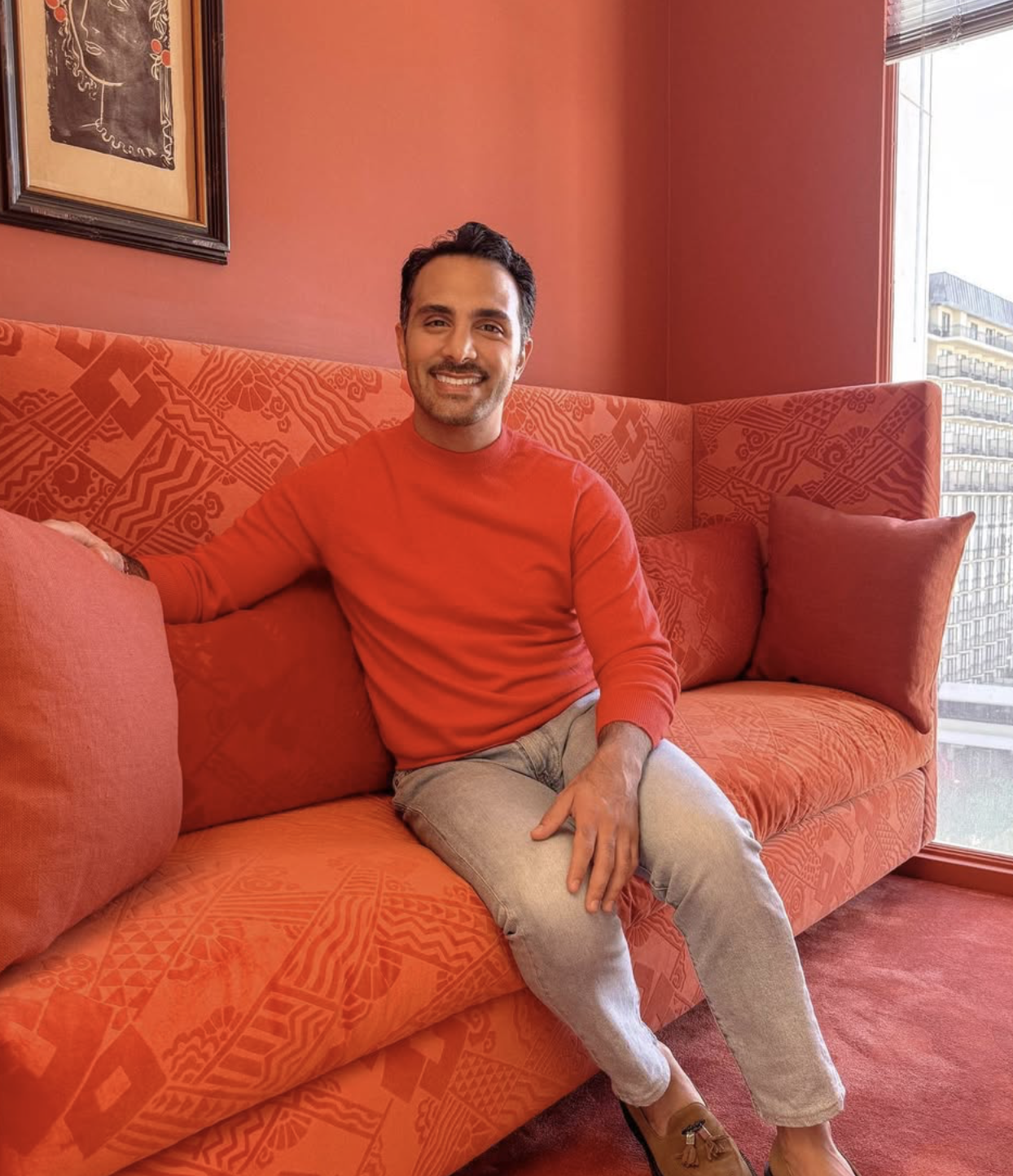
Dr. Kiyan Mehdizadeh, DMD
Doctor of Dental Medicine
Most cosmetic dentists refer out for surgery. Most surgeons don't do cosmetic work. Dr. Mehdizadeh trained in both — implantology and bone grafting at Loma Linda and UCLA, fixed prosthodontics under Mauro Fradeani in Italy, periodontal microsurgery with Hürzeler and Zuhr in Munich, and IV sedation at the University of Alabama. That combination means complex cases involving surgery, grafting, implants, and restorative work are planned and executed by a single provider with full command of every phase.
Technical skill produces function. Taste is what produces beauty. The difference between dental work that looks like dental work and a result that looks entirely natural comes down to aesthetic judgment — proportion, texture, translucency, how light moves across a surface. That sensibility runs through everything here, from the way cases are designed to the office itself.
An in-house master ceramist and on-site laboratory allow restorations to be designed, fabricated, and refined with direct collaboration between doctor and technician — no outsourced lab work, no guesswork, no compromise on the final product. Dr. Mehdizadeh is one of few dentists with the refined ability to provide care across multiple specialties, resulting in cohesive and holistic outcomes.
Education & Credentials
- Doctor of Dental Medicine (DMD), cum laude — Boston University
- Bachelor of Science in Biology — Emory University
- Mastership in Implant Dentistry & Grafting — Loma Linda University / gIDE Institute
- Advanced Implant Therapy & Grafting — UCLA / gIDE Institute
- Implant Placement & Restoration — UCLA / Nobel Biocare
- Guided Bone Regeneration & Ridge Augmentation — gIDE Institute
- Sinus Elevation & Augmentation — gIDE Institute
- Soft Tissue Management & Grafting — gIDE Institute
- Minimally Invasive Augmentation & Autogenous Bone Management — IDEA, San Francisco
- Master Program in Fixed Prosthodontics — Fradeani Education, Italy
- Aesthetic Dentistry — UCLA School of Dentistry
- Advanced Occlusion & Bite Design — UCLA
- Periodontal Micro-Surgery — Hürzeler/Zuhr, Munich
- Micro-Endodontic Training — University of Pennsylvania
- IV Sedation — University of Alabama at Birmingham
- Injectable Therapy for TMJ & Facial Pain — American Academy of Facial Esthetics
Considering similar treatment?
Send Dr. Mehdizadeh a photo and ask what’s possible for your case.